Natalie Bell’s Journey with the st-Art Mentorship Program
Creative Growth Through Intuition and Structure
Amsterdam-based mixed media artist Natalie Bell joined the st-Art Art Mentorship Program seeking a space where she could create with authenticity and emotional depth. What she found was more than a supportive community—it was a transformative experience that allowed her to stay true to her process while growing both creatively and professionally.
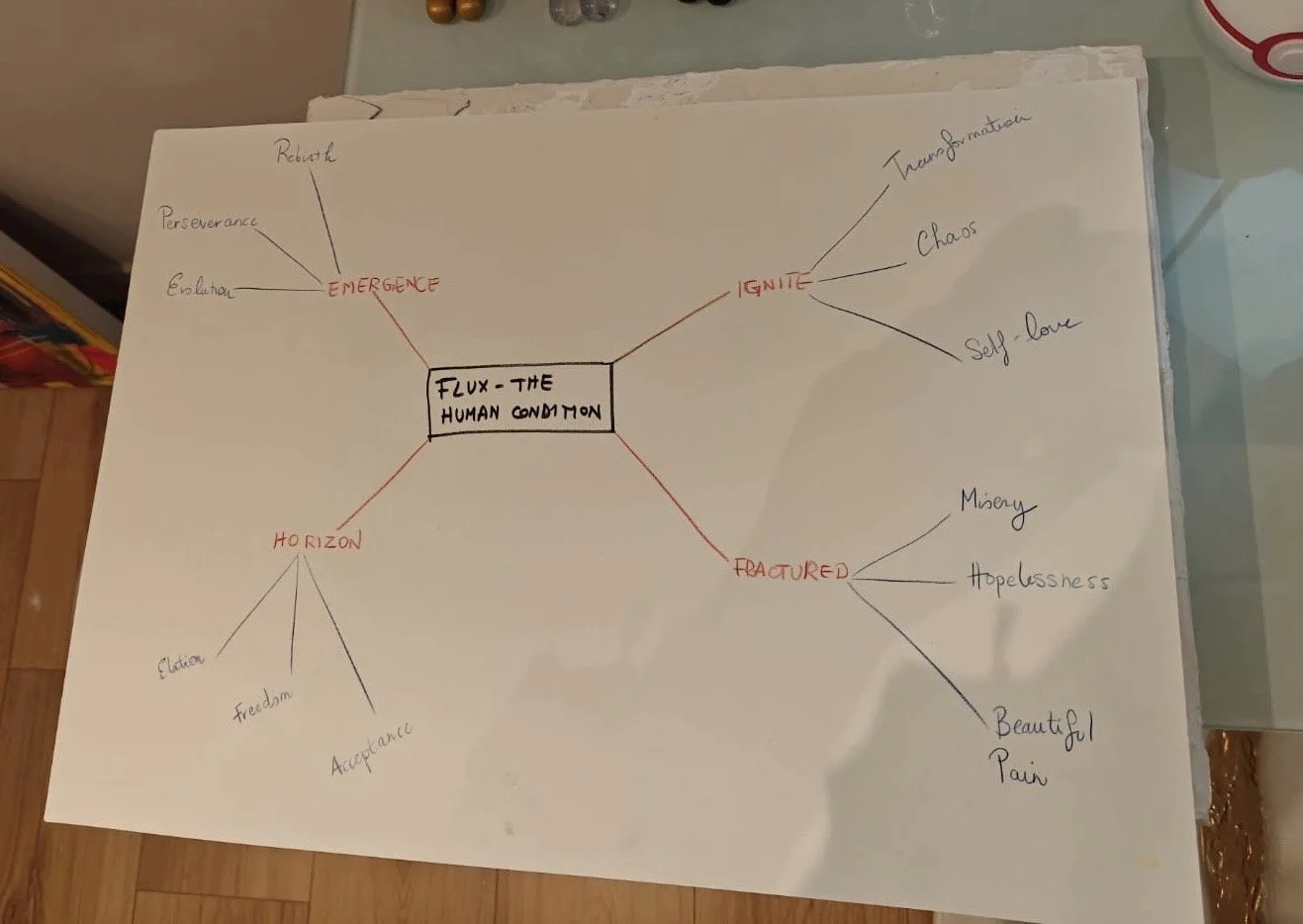
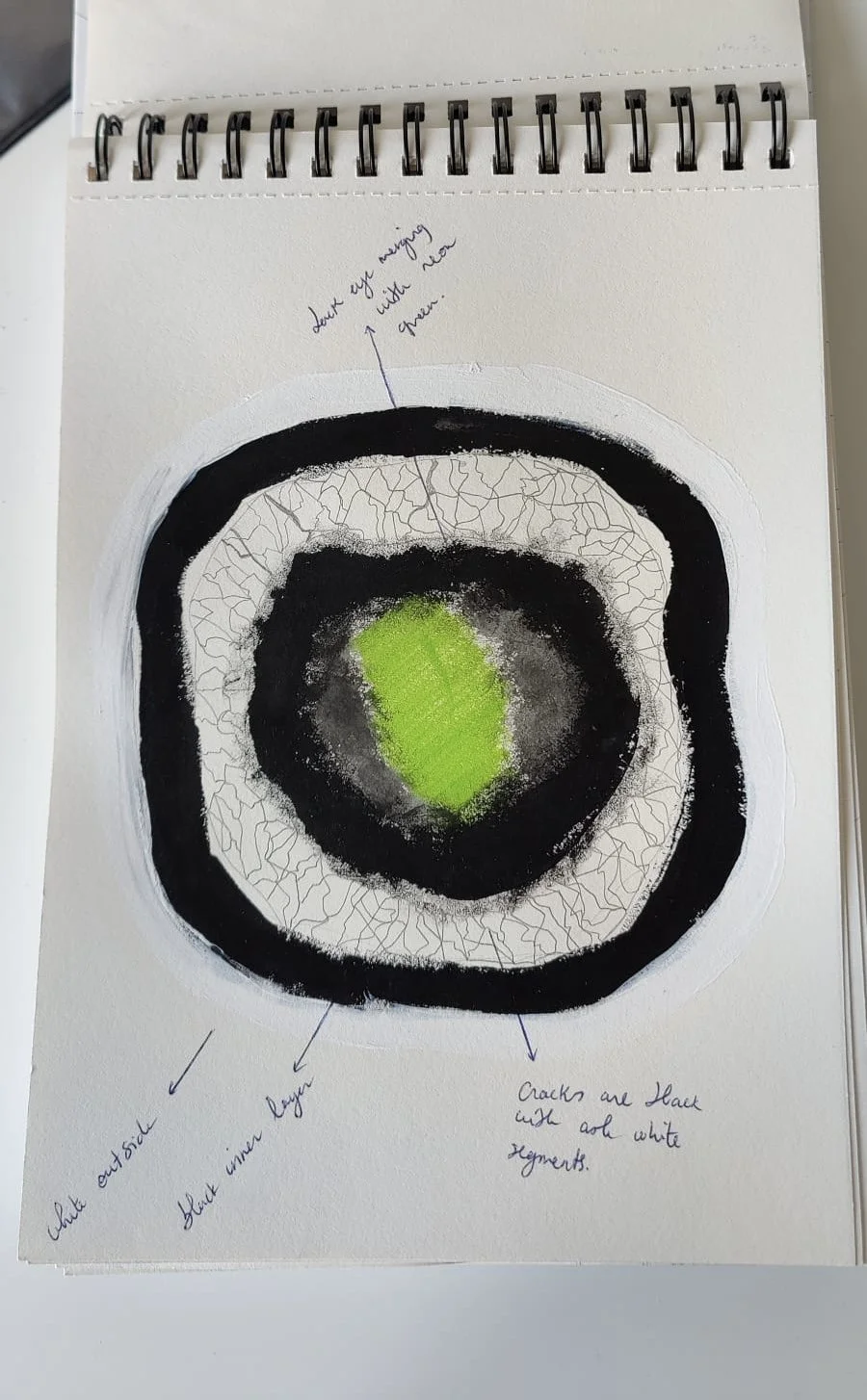
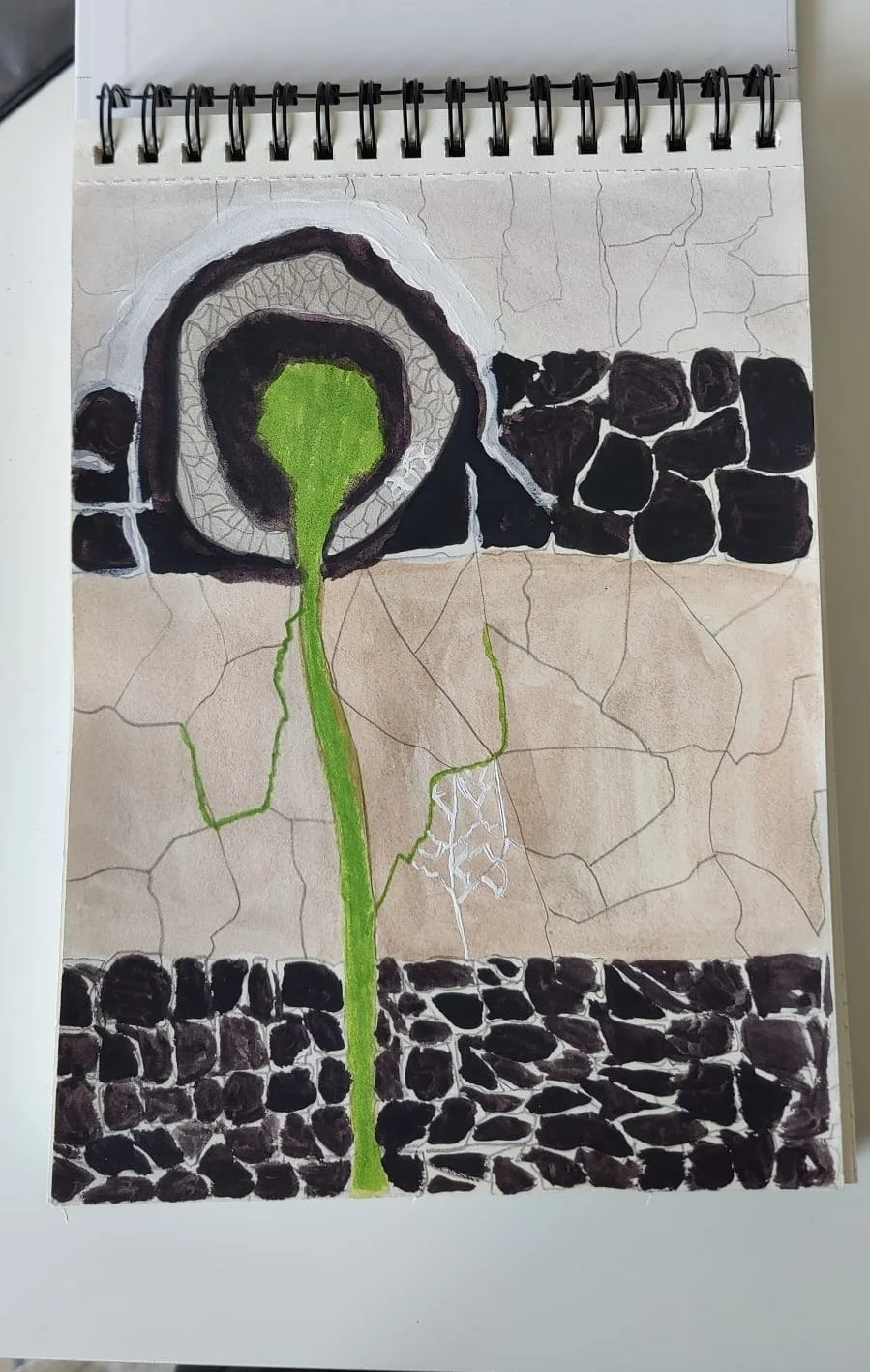
Over the course of the program, she expanded her practice through creating concept, intentional storytelling, cross-disciplinary collaboration, and community-based healing experiences. Her art is not only visual but visceral - a meditative space where pain becomes beauty, and brokenness becomes strength. Creating her mind map with the help of the st-Art’s mentors, Natalie developed Flux – the human condition, a powerful four-part series exploring themes of transformation and emotional rebirth. Each piece in the series reflects a distinct phase of that inner journey.
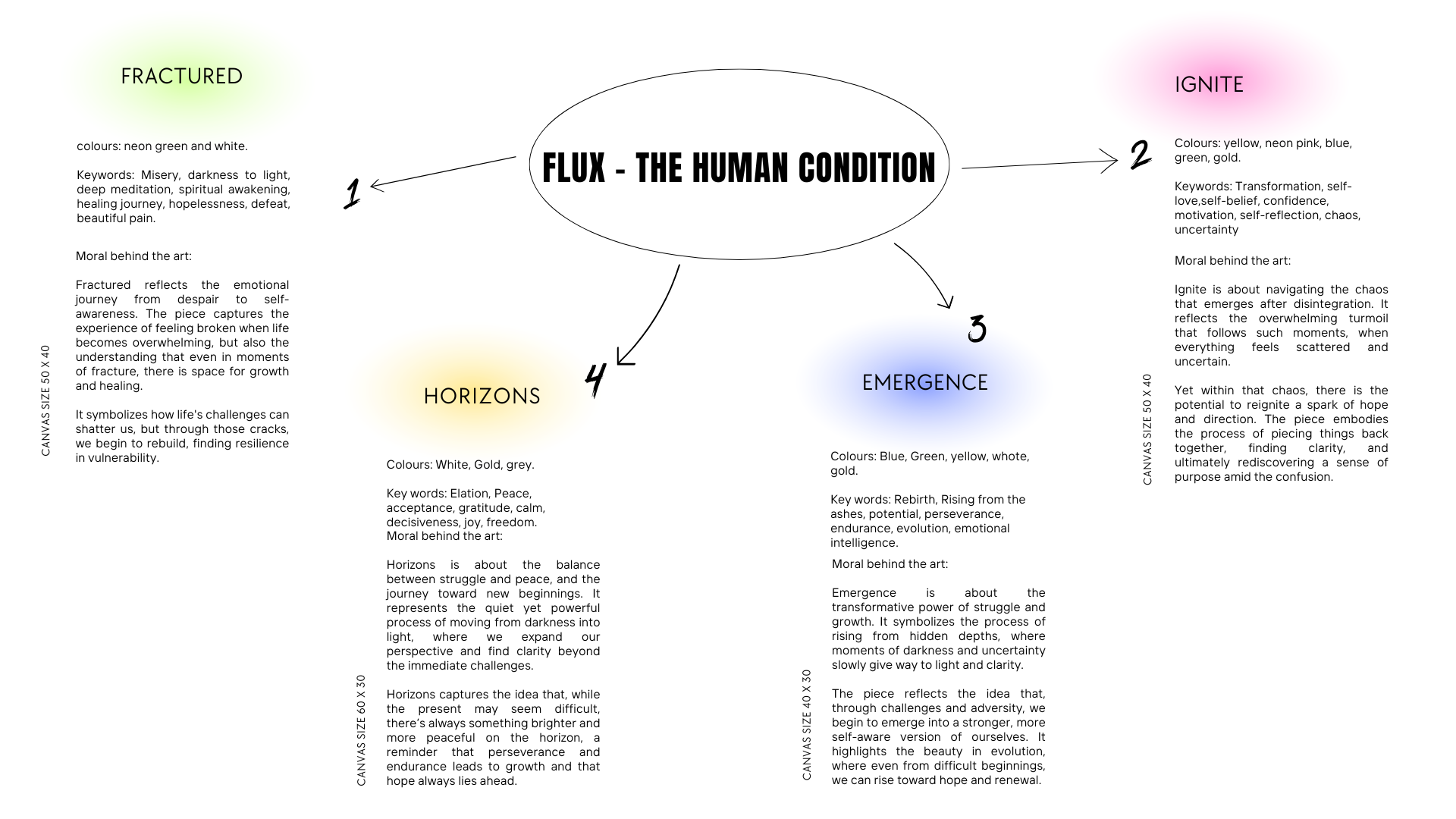
Flux -The human condition
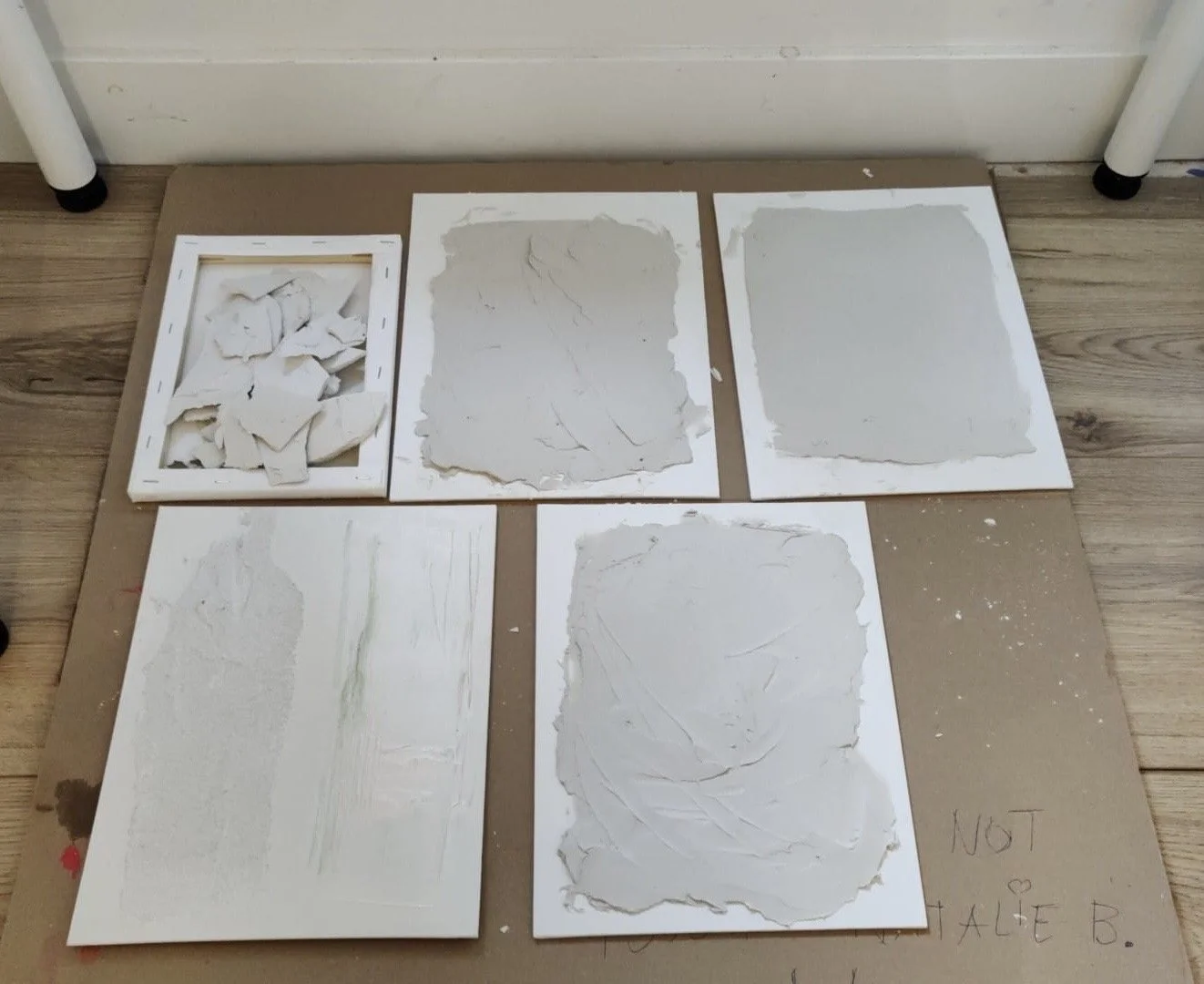
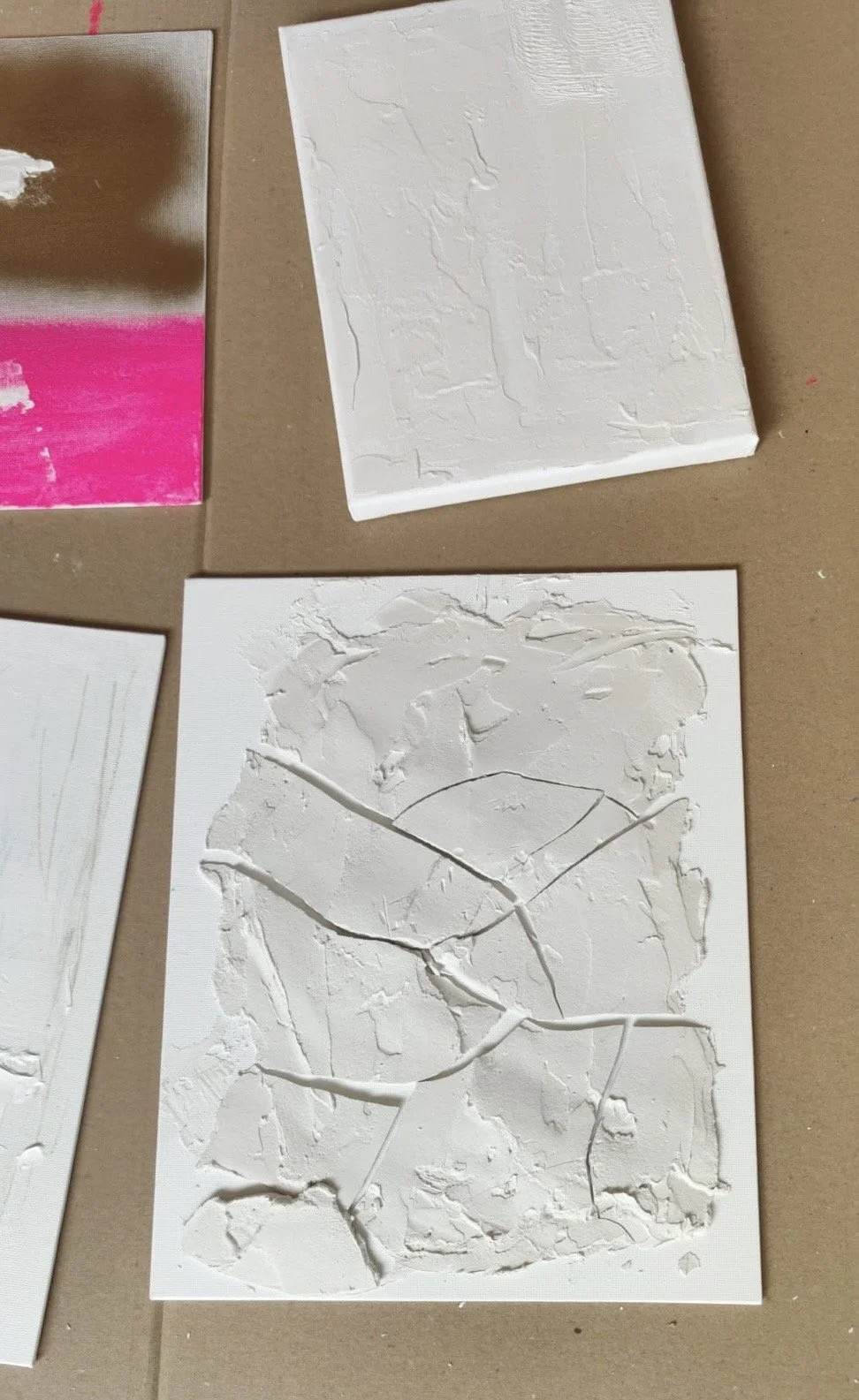
Fractured reveals the beauty within brokenness.
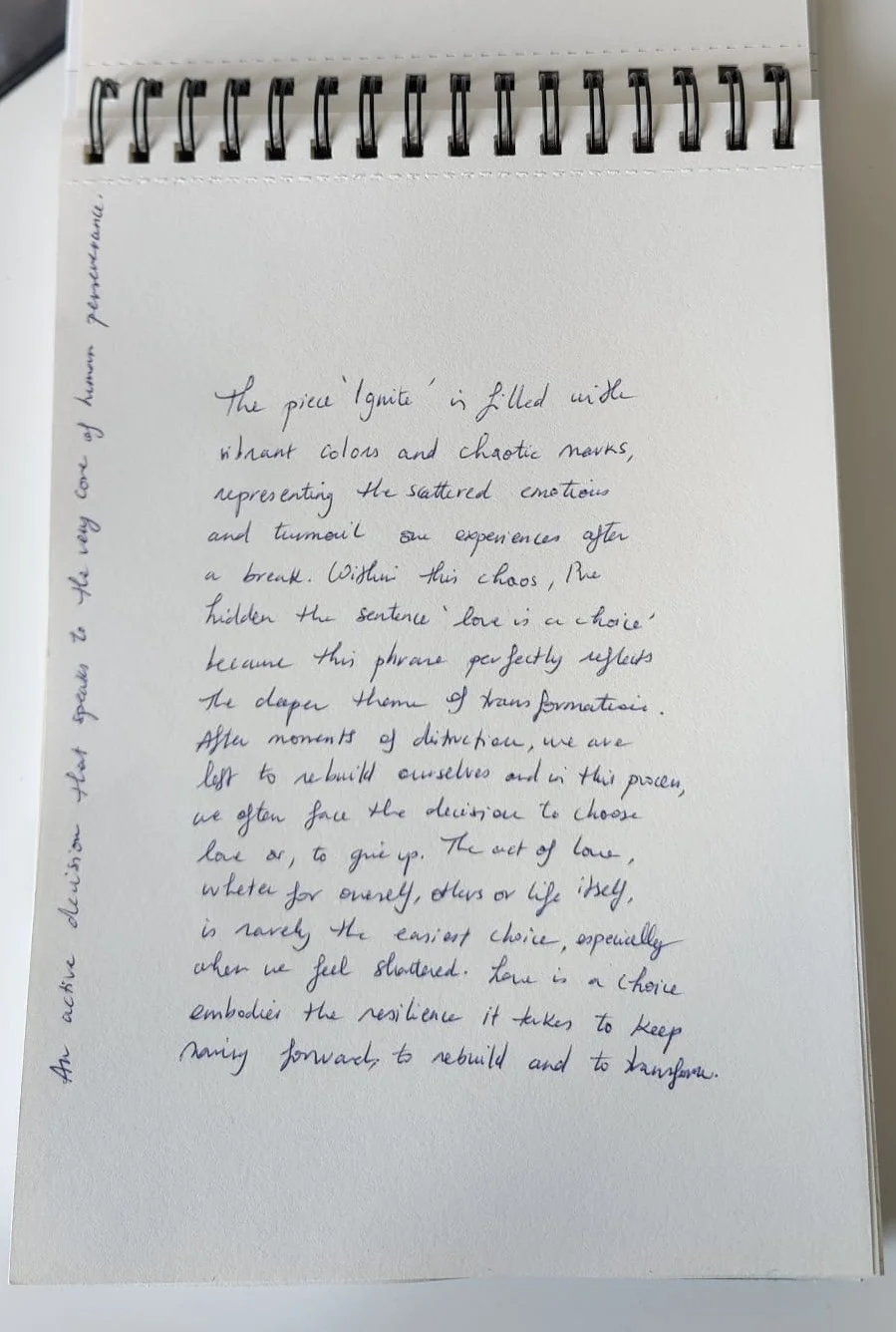
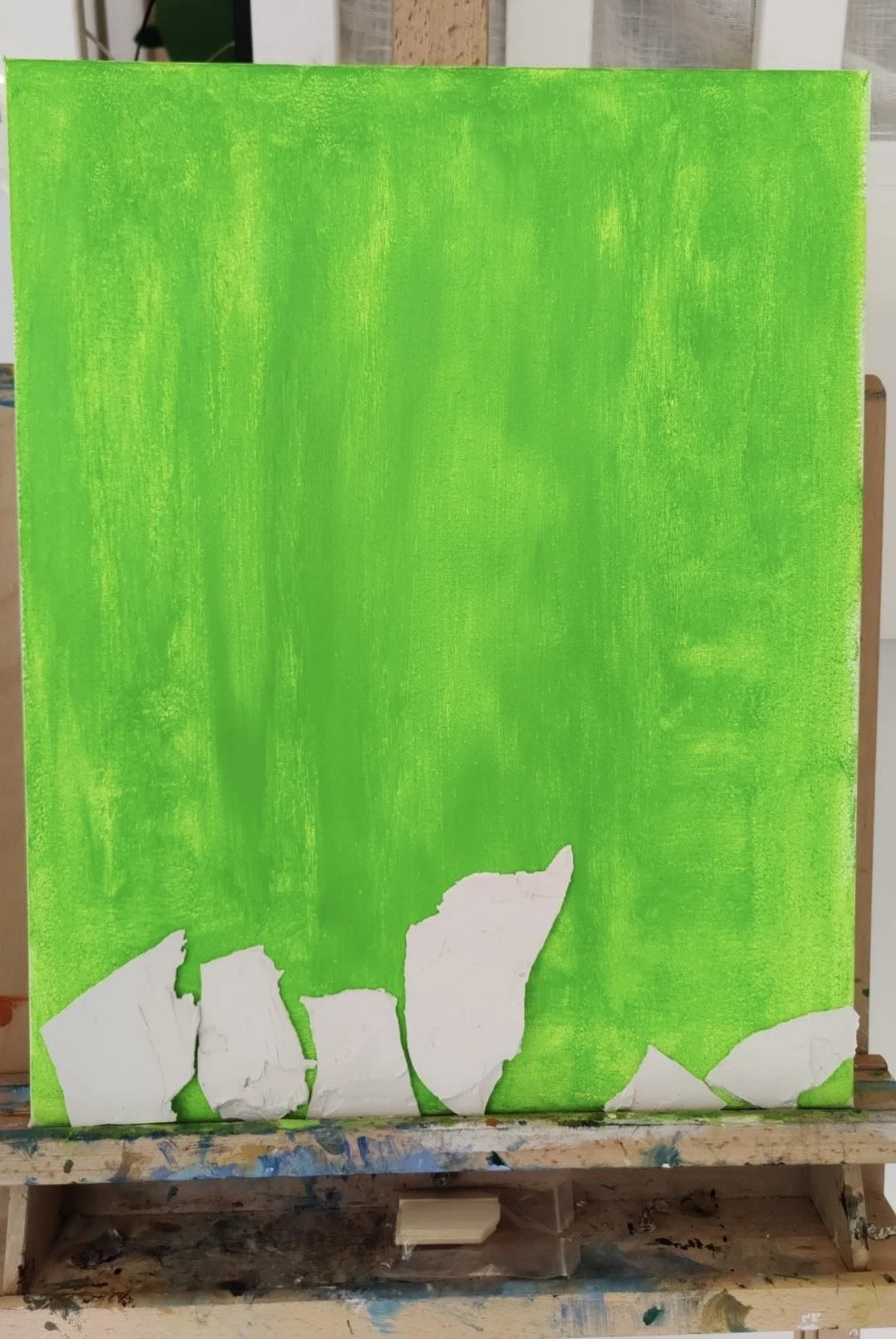
Ignite channels the chaos and energy of rebuilding.
Emergence speaks to quiet resilience and strength.
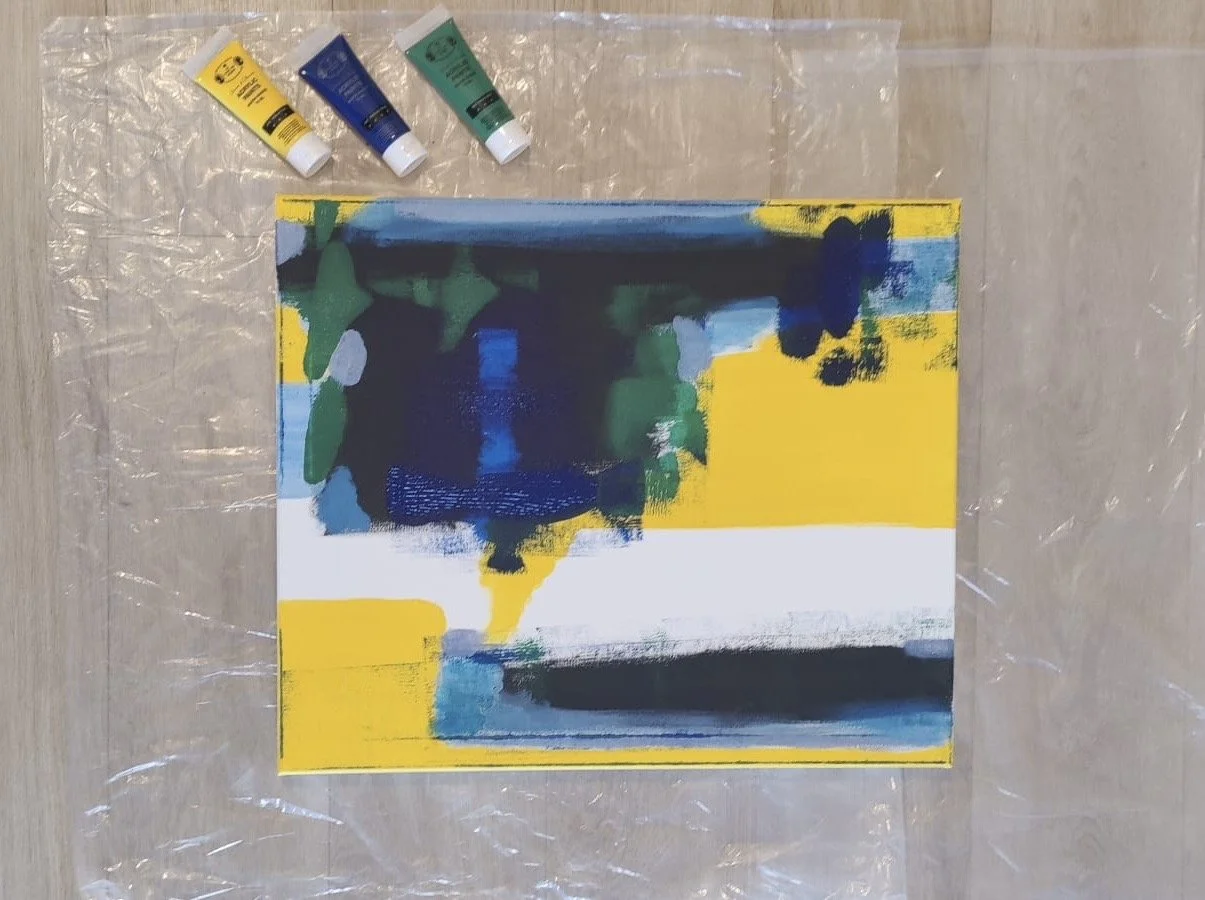
Horizon offers a breath of calm after the storm.
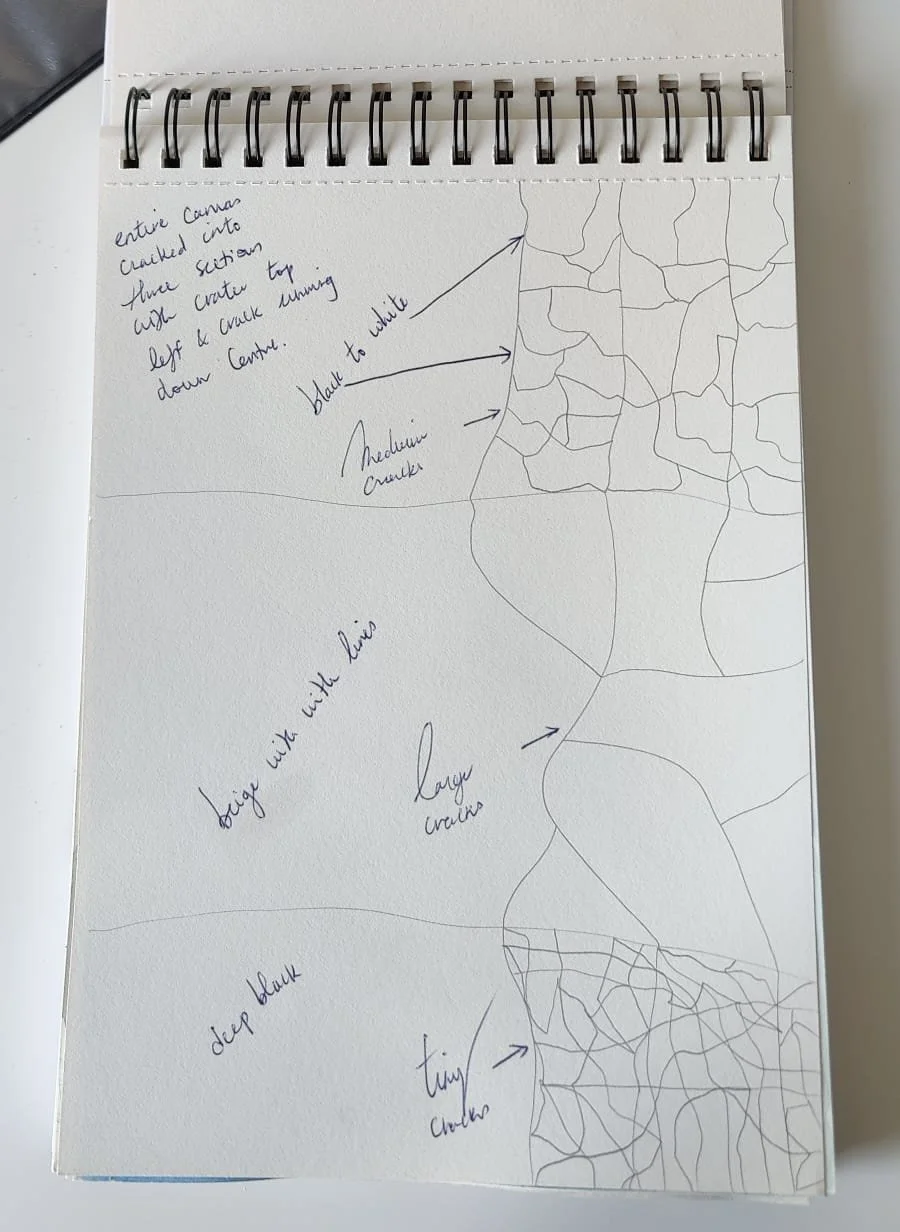
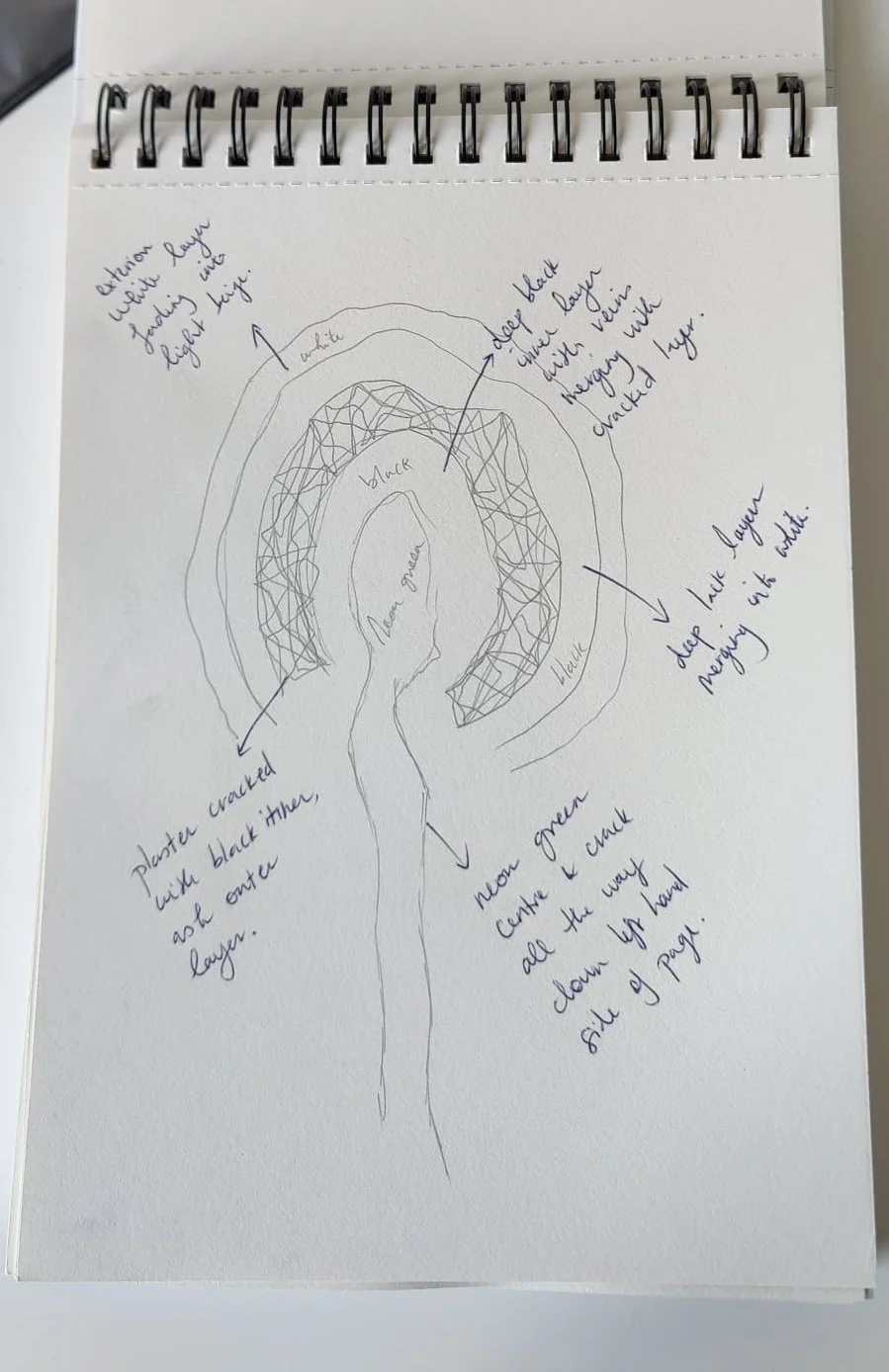
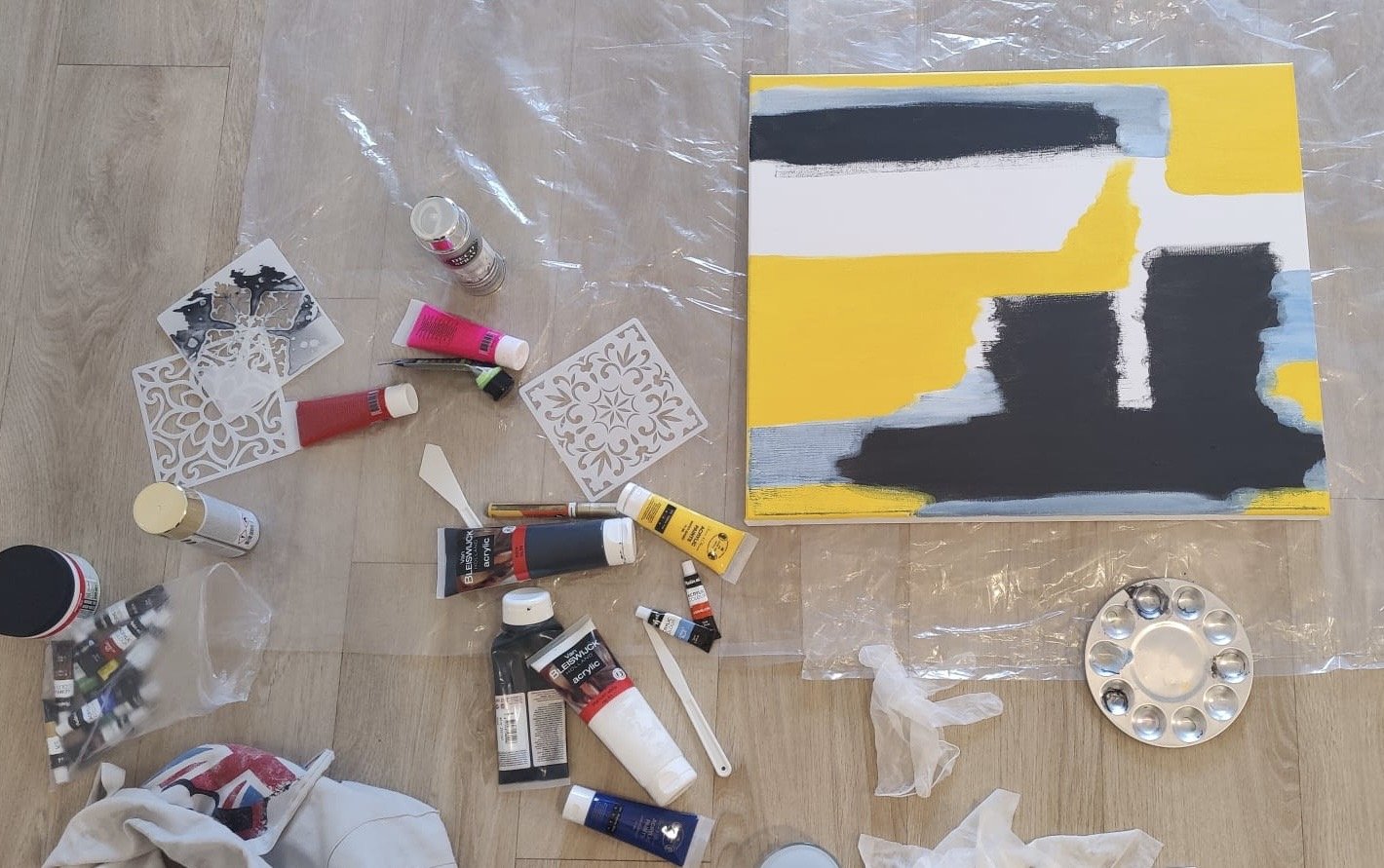
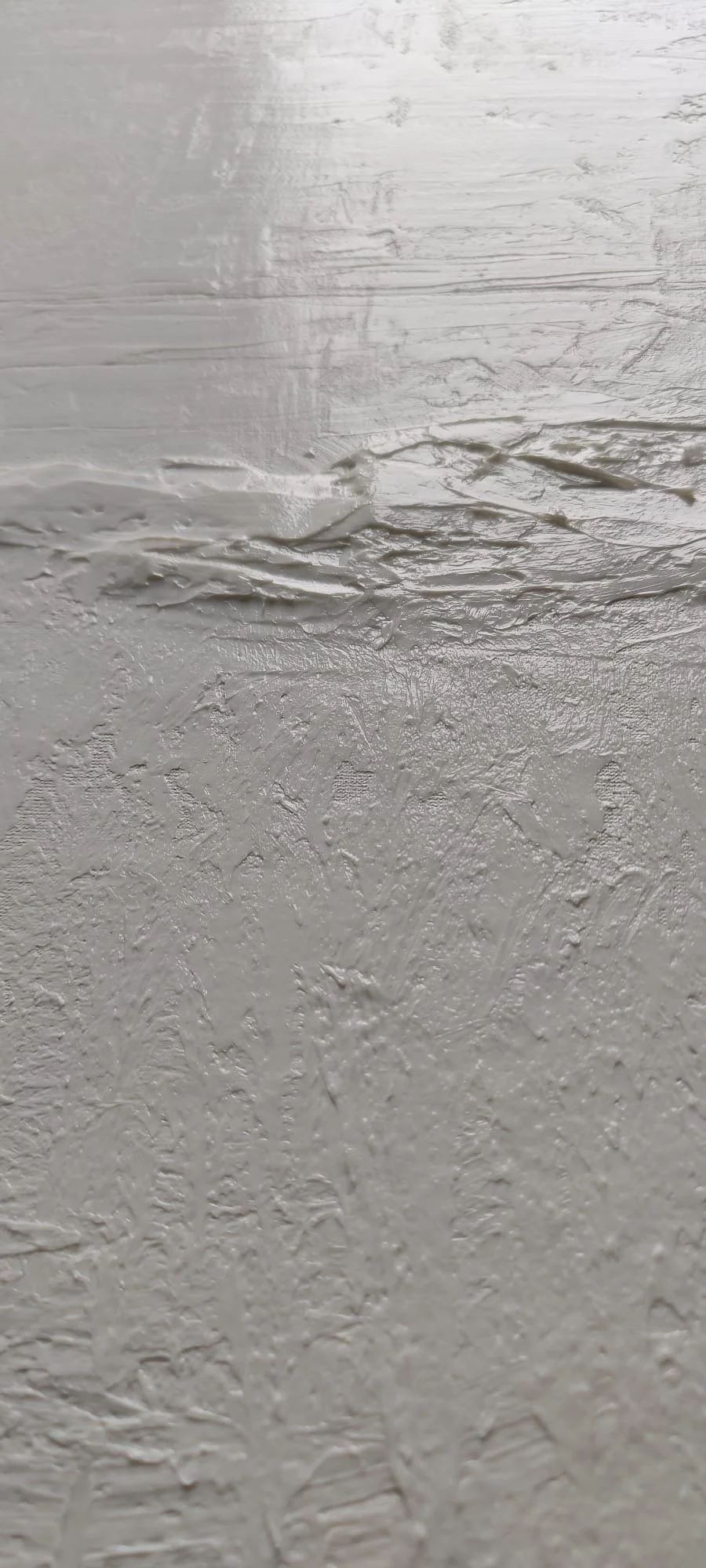
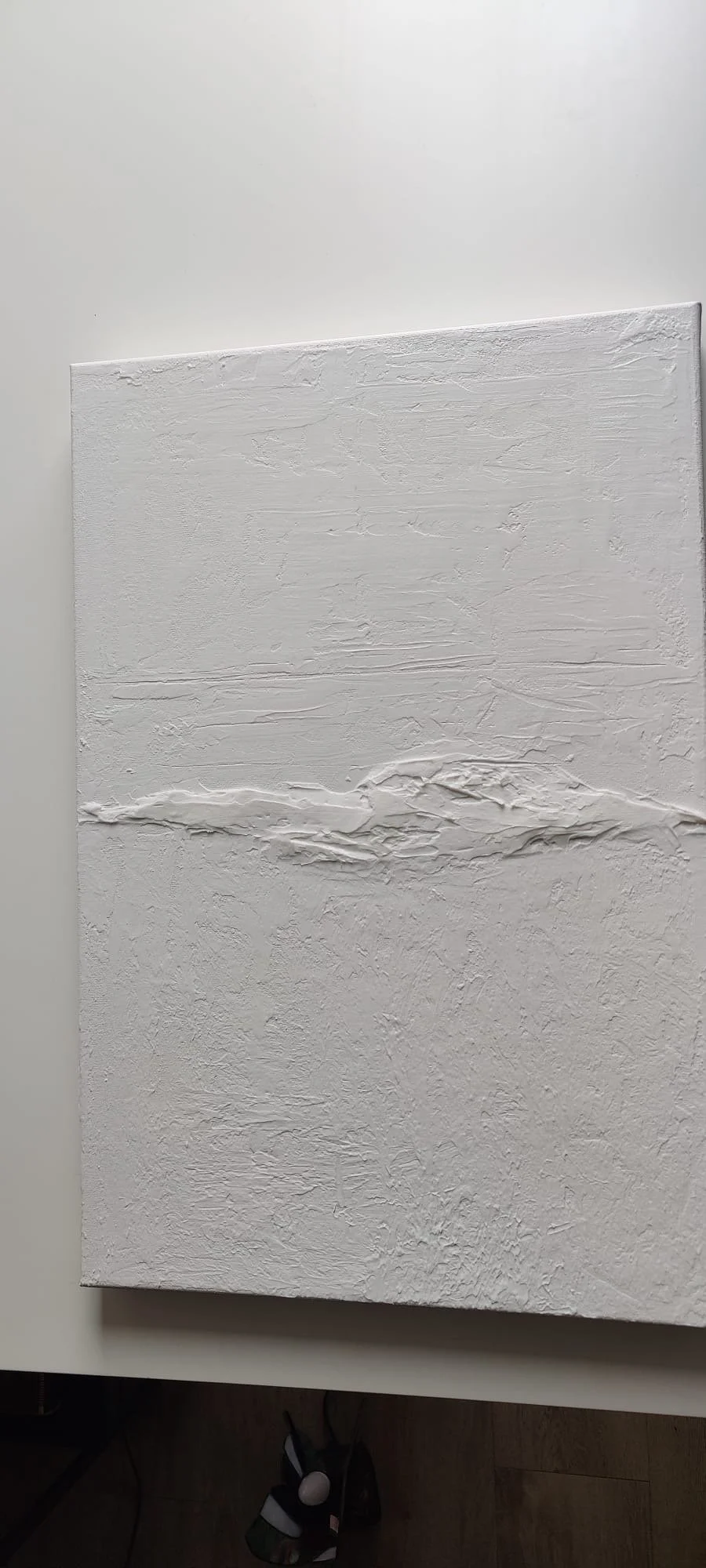
After completing the researches on the famous artist, finalising her sketches and storytellings of each artwork part of the series, she decided for the materials and techniques that she wanted to use and continued the process of her creativity taking them on to the canvas. Here you can see the final result of this journey.

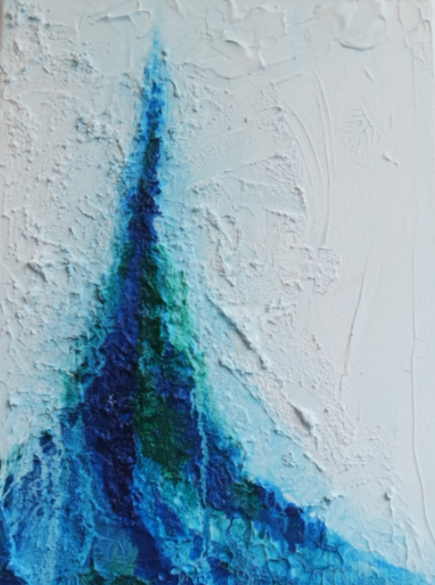
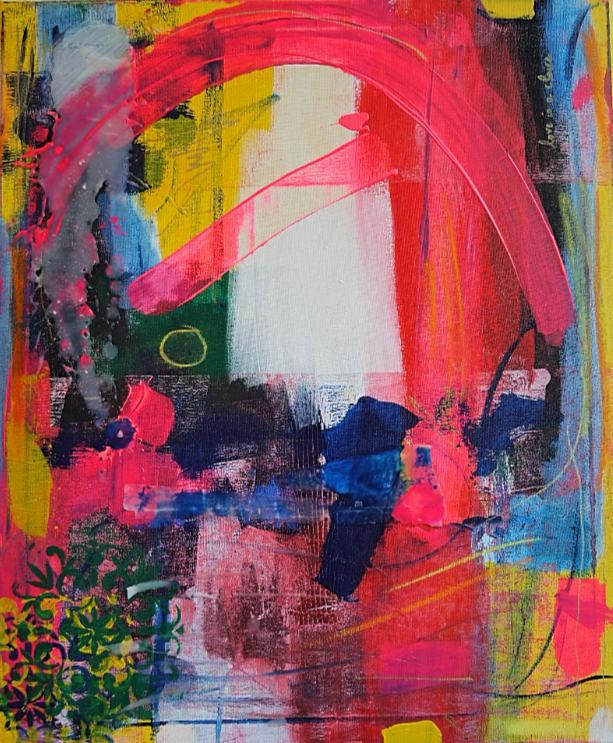

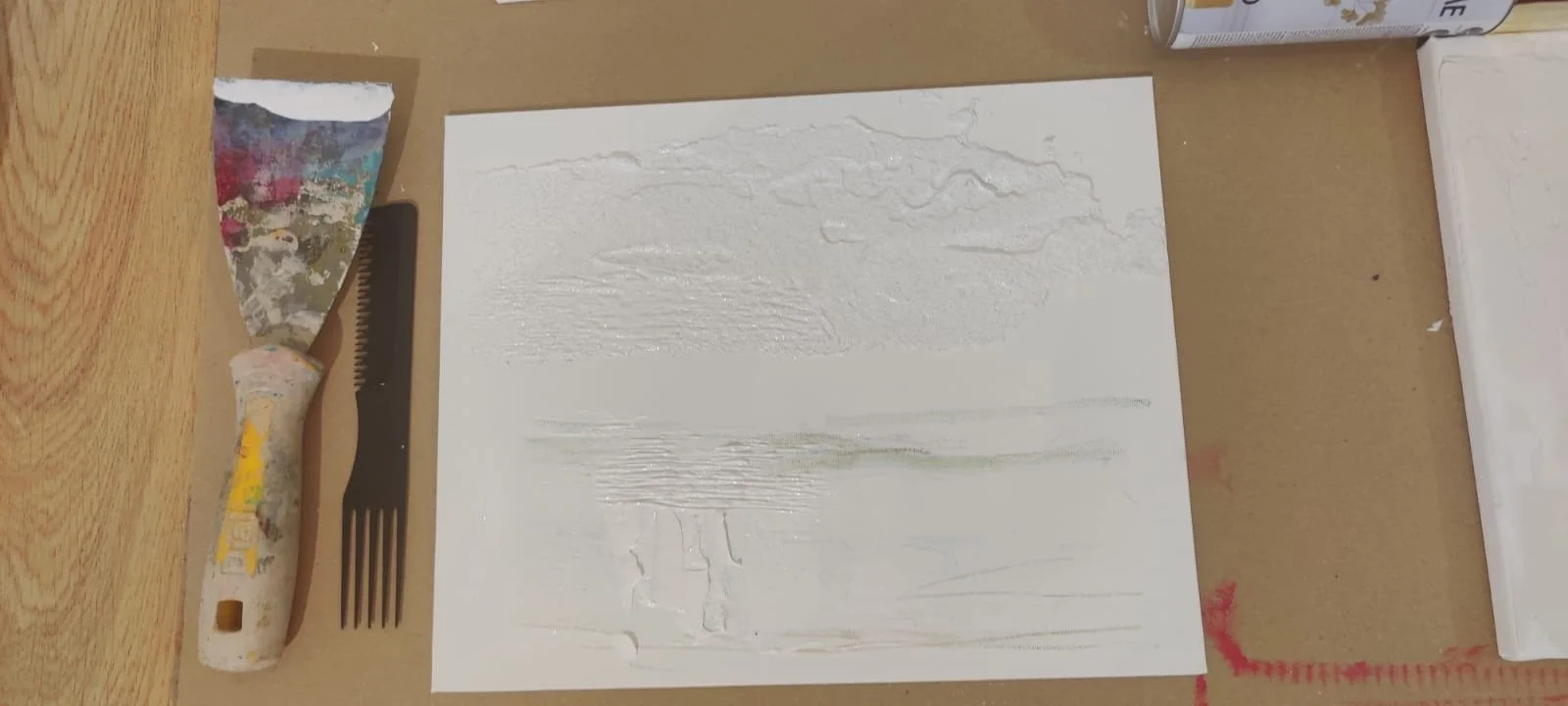
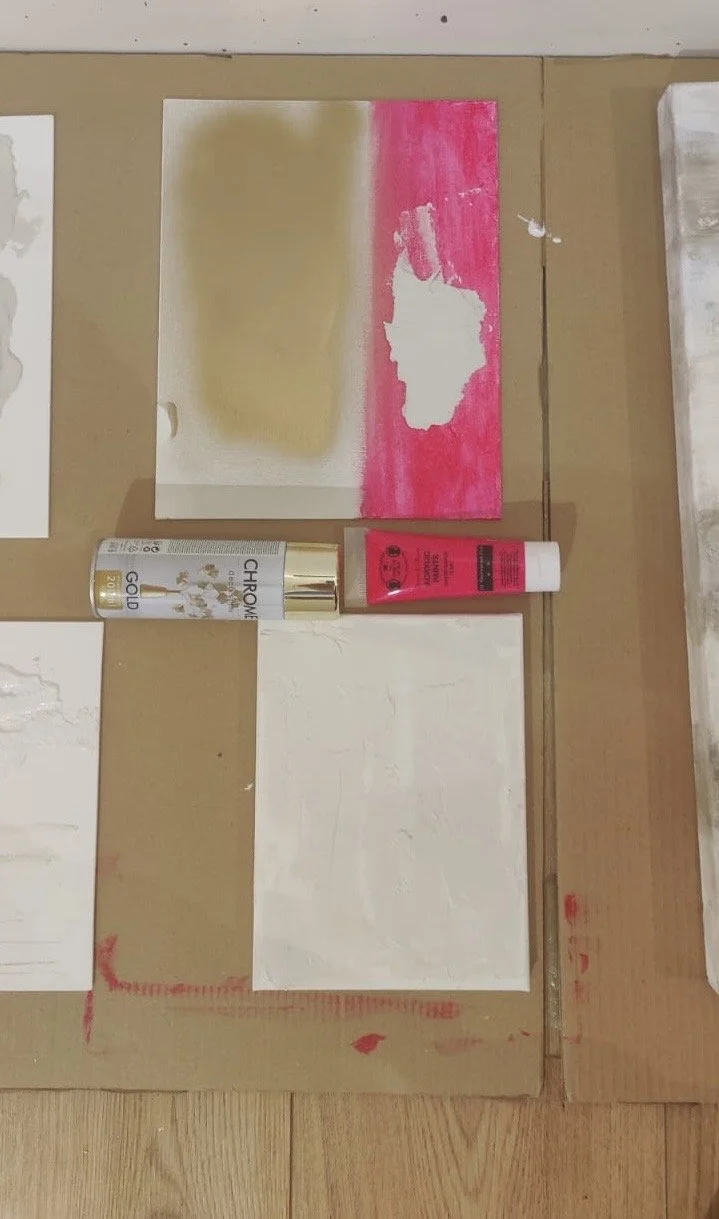
Natalie works with a dynamic mix of materials—plaster, gold leaf, acrylics, neon pigments, and layered textures—allowing emotion to guide her process. Her approach often begins with a feeling or intuitive thread. From there, she lets the materials lead, building layers, breaking them open, and allowing the work to evolve. It’s a process that balances structure and spontaneity—something the mentorship program supported every step of the way.
She believes that the flexible structure of the st-Art program was crucial in helping Natalie work on her own terms. At the same time, the thoughtful guidance and constructive feedback from mentors offered clarity and direction, helping her develop her ideas with intention. Regular critique sessions created a nurturing space for dialogue, reflection, and connection with other artists.
For Natalie, the st-Art mentorship wasn’t just about producing work—it was about deepening her practice, gaining confidence, and finding a rhythm that honored her creative voice. She describes the environment as inspiring, encouraging, and essential for any artist looking to grow, both personally and professionally.
Her journey through the program is a testament to the power of blending freedom with structure—something at the heart of the st-Art philosophy. For artists like Natalie, this mentorship offers more than guidance—it offers a space where meaningful, emotionally resonant art can emerge.